Skip to content

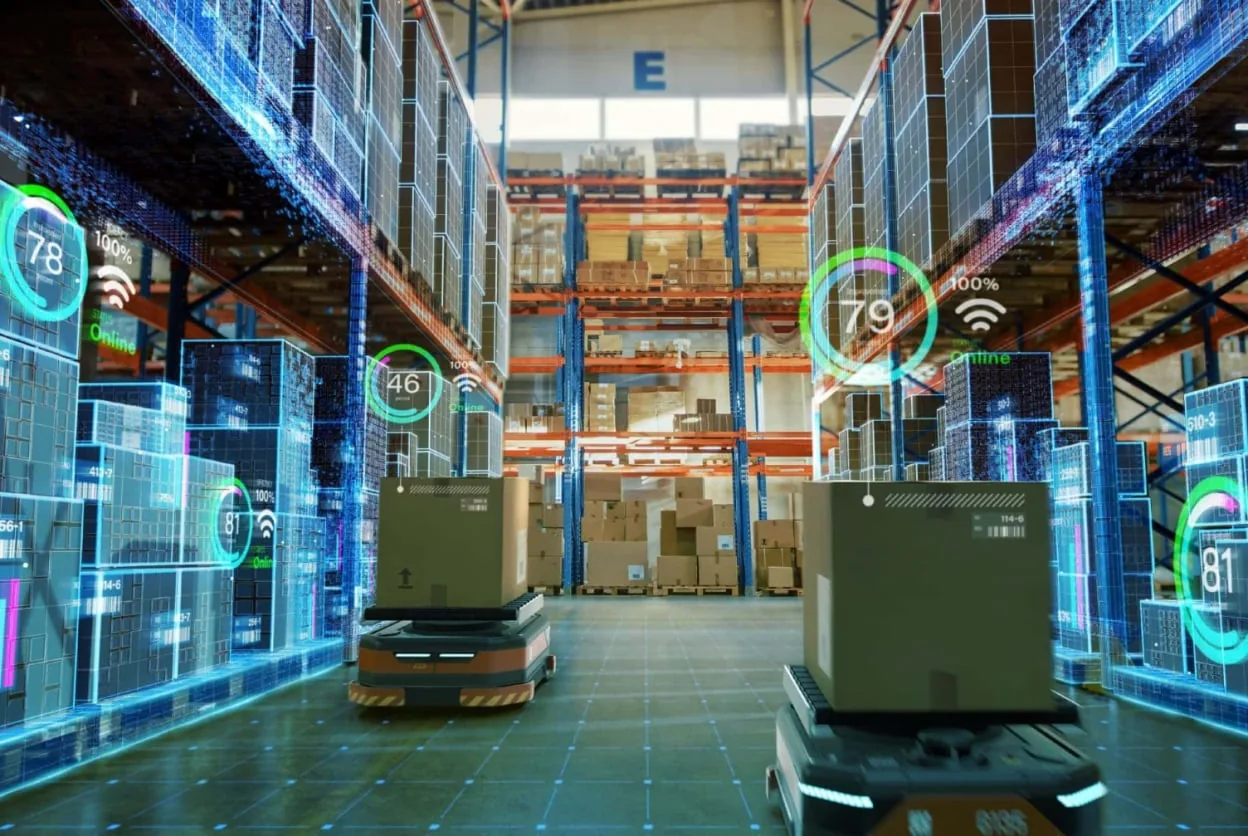
Intelligent automation transforming modern warehouse operations worldwide

Welcome to Gonadir — a forward-looking blog dedicated to the evolving world of smart warehousing and supply chain technology. We explore how automated storage and intelligent inventory systems are reshaping the way goods move through global networks. Our mission is to share insights, trends, and practical perspectives on warehouse innovation without overpromising or oversimplifying complex processes.

Why Smart Warehousing Matters

Modern logistics management faces growing complexity every day. Smart warehousing offers tools to navigate these challenges with greater clarity and control. Supply chain technology continues to evolve, bringing new possibilities for operational transparency. Warehouse innovation helps organizations adapt to changing demands while maintaining consistency and reliability.

Smarter Space Utilization

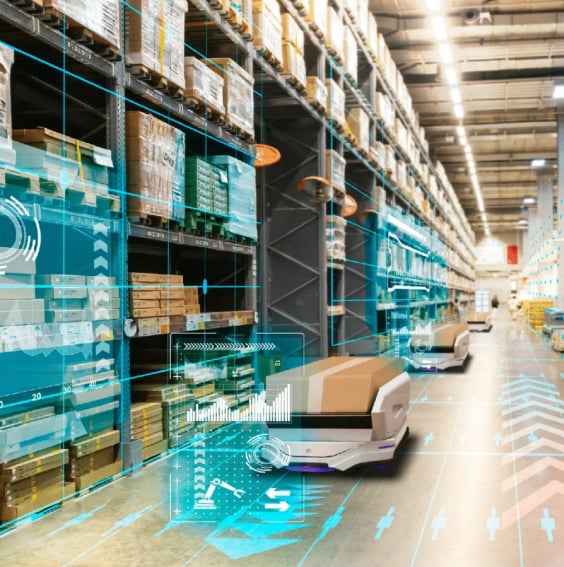
Automated storage solutions allow facilities to maximize vertical and horizontal space without extensive physical expansion. Smart warehousing approaches help organize inventory systems more rationally, reducing wasted areas and improving workflow.

Real-Time Visibility

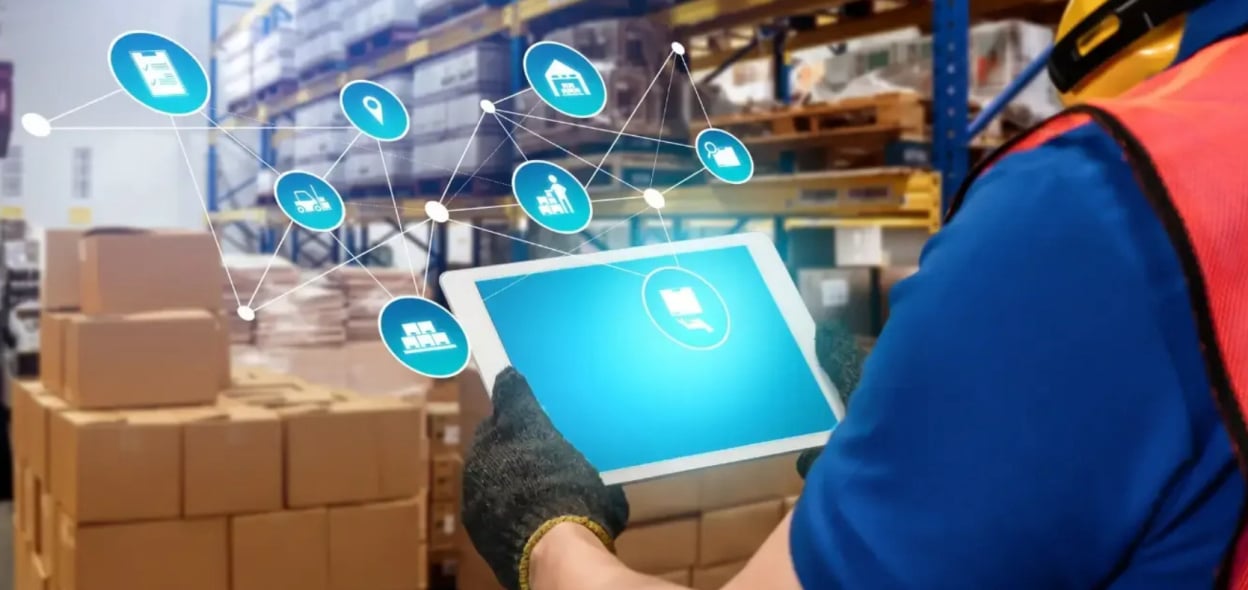
Modern inventory systems provide continuous visibility into stock levels, movement patterns, and order statuses. Supply chain technology enables faster decision-making through accessible, up-to-date information across all connected points.

Operational Adaptability

Logistics management benefits from flexible frameworks that adjust to seasonal fluctuations and shifting priorities. Warehouse innovation supports smoother transitions between different operational modes without disrupting daily activities.

What We Do

At Gonadir, we focus on examining how smart warehousing and supply chain technology interact to create more responsive and resilient operations. Our content delves into the practical applications of automated storage systems, from small-scale facilities to large distribution networks. We analyze how inventory systems evolve to meet new challenges, including sustainability concerns and changing consumer expectations. Our team studies real-world examples of warehouse innovation to understand what makes certain approaches more effective than others. We believe that thoughtful implementation of technology — not technology alone — drives meaningful progress in logistics management.

Our blog serves as a resource for professionals who want to stay informed about developments in smart warehousing without getting lost in technical jargon. We cover topics ranging from basic principles of automated storage to advanced strategies for optimizing inventory systems across multiple locations. Supply chain technology touches every aspect of modern commerce, and we aim to demystify its role in everyday operations. Warehouse innovation doesn't happen in isolation — it requires understanding broader industry trends and operational realities. Through regular updates and thoughtful analysis, Gonadir helps readers navigate the complex landscape of logistics management with greater confidence and clarity.
Blog

The Practical Benefits of Automated Storage in Modern Warehouses

Automated storage systems are transforming how goods are organized and retrieved in distribution centers. This article explores tangible advantages that make these systems increasingly attractive for logistics operations.

How Inventory Systems Strengthen Supply Chain Resilience

Inventory systems are the nervous system of any logistics network. This article examines how modern inventory systems contribute to flexibility and responsiveness in the face of disruptions.

Evolving Logistics Management Through Smart Warehousing

Logistics management is undergoing a fundamental shift driven by smart warehousing technologies. This article explores how traditional roles and processes are being redefined for greater efficiency.

Trends That Are Shaping Tomorrow's Facilities

Warehouse innovation continues to accelerate, driven by advances in sensors, artificial intelligence, and collaborative robotics. This article highlights emerging trends that will influence logistics strategies over the next several years.

About Us

Gonadir was founded by a group of logistics professionals and technology enthusiasts who recognized the growing gap between traditional warehousing methods and emerging digital capabilities. Our team brings together experience from operations, engineering, and process design, all united by a common interest in smart warehousing. We are not a software vendor, equipment manufacturer, or consulting firm — we are independent observers and analysts who value practical knowledge over promotional content. Our perspective is shaped by years of hands-on work in various logistics environments, from regional distribution centers to global supply networks. We created this blog to share what we have learned and to foster a community of curious professionals who want to explore supply chain technology together.

Our commitment is to provide balanced, well-researched content that helps readers make informed decisions about their own operations. We believe that smart warehousing is not a one-size-fits-all solution but a spectrum of approaches that must be tailored to specific contexts. Supply chain technology offers powerful tools, but their effectiveness depends on how they are integrated with people, processes, and existing infrastructure. Automated storage and inventory systems continue to advance rapidly, and we strive to keep our coverage current and relevant. Warehouse innovation, in our view, is ultimately about creating more sustainable, efficient, and humane work environments — and that is the perspective we bring to every article, case study, and discussion on this platform.

FAQ

Smart warehousing refers to the integration of digital tools, sensors, and data-driven processes into warehouse operations to improve efficiency, accuracy, and adaptability. Unlike traditional warehousing, which often relies heavily on manual processes and static layouts, smart warehousing leverages automated storage systems and real-time inventory systems to respond dynamically to changing conditions. The goal is not to eliminate human involvement but to augment it with better information and more capable tools.

Automated storage systems can be adapted to a wide range of product categories, from small parts to palletized goods, but their suitability depends on factors like product variability, throughput requirements, and facility constraints. Some industries, such as e-commerce and automotive, have embraced automated storage extensively, while others may find partial automation more practical. Supply chain technology offers various levels of automation, and the right choice often involves balancing capital investment with operational needs rather than pursuing full automation for its own sake.

Modern inventory systems benefit from supply chain technology through improved accuracy, faster reconciliation, and more sophisticated forecasting capabilities. Smart warehousing approaches enable inventory tracking at individual item levels with minimal manual intervention, reducing discrepancies and stockouts. Warehouse innovation in this area also supports better integration with upstream suppliers and downstream customers, creating a more cohesive view of inventory across the entire network rather than treating each location in isolation.

Common challenges include integration with existing systems, staff training and adaptation, data quality issues, and the need for clear performance metrics. Supply chain technology implementation often requires changes to established workflows, which can meet resistance without proper change management. Smart warehousing projects also demand careful planning around infrastructure, power, and network connectivity to support automated storage and real-time inventory systems. Warehouse innovation succeeds when organizations approach it as a continuous improvement process rather than a one-time technology installation.

Staying current involves a combination of following industry publications, attending relevant events, participating in professional networks, and engaging with practical case studies. Logistics management professionals can benefit from exploring how supply chain technology is applied in different sectors and regions to understand diverse approaches. Many organizations share insights from their smart warehousing journeys through blogs, webinars, and white papers. Warehouse innovation is a rapidly moving field, so regular learning and open-mindedness to new ideas are valuable habits for anyone involved in logistics management today.

Get in touch

Contacts

ADDRESS

4-chōme-2-26-25 Omorihigashi, Ota City, Tokyo 143-0012, Japan