The Practical Benefits of Automated Storage in Modern Warehouses
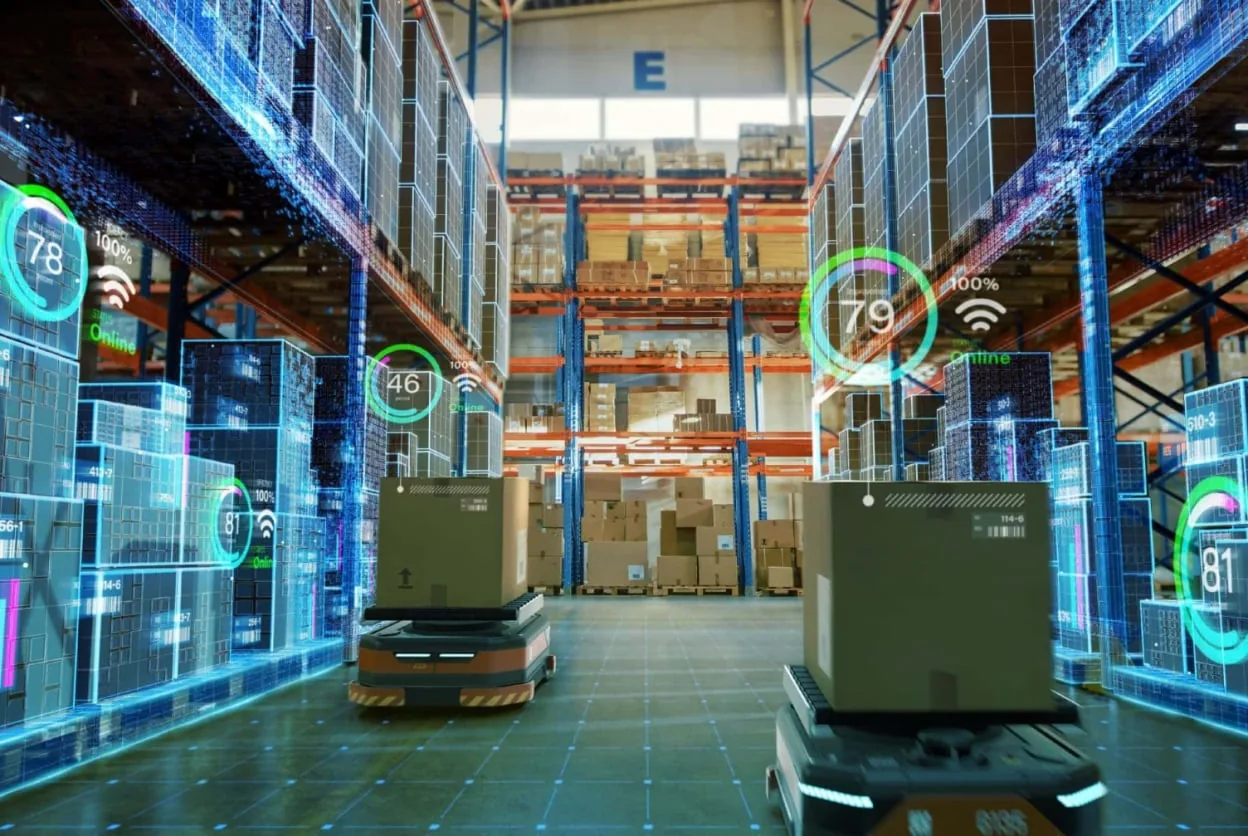
Smart warehousing relies heavily on automated storage to address space constraints and labor availability challenges. When properly configured, automated storage solutions reduce travel times for workers and minimize errors in order picking. Supply chain technology now offers flexible options that can scale with business needs without requiring massive capital overhauls. Many operations find that automated storage improves inventory accuracy by tracking each item movement precisely. The integration of these systems with existing workflows represents a key aspect of modern logistics management.
Inventory systems connected to automated storage provide real-time visibility that manual methods cannot match. This visibility supports better decision-making about replenishment cycles and seasonal adjustments. Smart warehousing approaches often combine automated storage with data analytics to identify bottlenecks and optimize slotting strategies. Warehouse innovation in this area has moved beyond simple retrieval to include predictive maintenance and energy-efficient operations. Logistics management teams appreciate how automated storage reduces physical strain on workers while maintaining consistent throughput.
Supply chain technology continues to advance, making automated storage more accessible to mid-sized facilities. The initial investment can be offset by long-term gains in efficiency and reduced damage to goods. Smart warehousing is not about replacing people but about enabling them to focus on higher-value tasks. Automated storage systems also support better space utilization, allowing warehouses to handle more volume within existing footprints. As logistics management becomes more data-centric, automated storage will remain a cornerstone of warehouse innovation for years to come.